
TL;DR - Quick Summary
Parenting teenagers in India requires a delicate balance between traditional values and modern autonomy. This guide provides 30 actionable parenting tips for teenagers, addressing academic stress, digital safety, and emotional health. Whether you are seeking parenting tips for Indian parents or navigating unique parenting challenges in India, the key lies in active listening, setting healthy boundaries, and fostering mutual respect. By shifting from a role of controller to consultant, you can help your teen navigate this complex phase while keeping your family bond intact.


Introduction: Understanding the Teenage Transformation
The transition from childhood to adolescence is one of the most transformative periods in a person's life. In the Indian context, where family structures are tight-knit and societal expectations are high, this phase often brings a unique set of parenting challenges in India. As a parent, you might feel like your once-compliant child has suddenly become a stranger who values their friends' opinions over yours. However, understanding the teenage brain is the first step toward effective parenting tips for teenagers.
Scientifically, the adolescent brain is under construction. The prefrontal cortex, the area responsible for decision-making, impulse control, and long-term planning, does not fully develop until the mid-twenties. Meanwhile, the amygdala, which handles raw emotions and the fight or flight response, is highly active. This neurobiological gap explains why Indian teens may react with intense, disproportionate emotion to seemingly minor academic pressure or social media conflicts. When looking for indian parenting advice, remember that their rebellion is not always personal; it is a biological byproduct of a brain learning to regulate itself. They are essentially driving a Ferrari with bicycle brakes.
We are living in an era where parenting tips for Indian parents must evolve beyond the traditional authoritarian style. Today's teens are digital natives, exposed to global cultures via Instagram and YouTube, while simultaneously living in a society that still prizes traditional milestones and social conformity. Balancing these two worlds, the sanskaar of our heritage and the smartphone of their future, is the core of modern indian parenting advice.
At MissPoppins.in, we believe that informed parents create empowered teenagers who can navigate the complexities of modern India while staying rooted in their cultural values. This comprehensive guide offers 30 practical tips to help you build trust, maintain open communication, and support your teenager through these challenging yet rewarding years.
I. Mastering Communication: How to Get Your Teen to Actually Talk
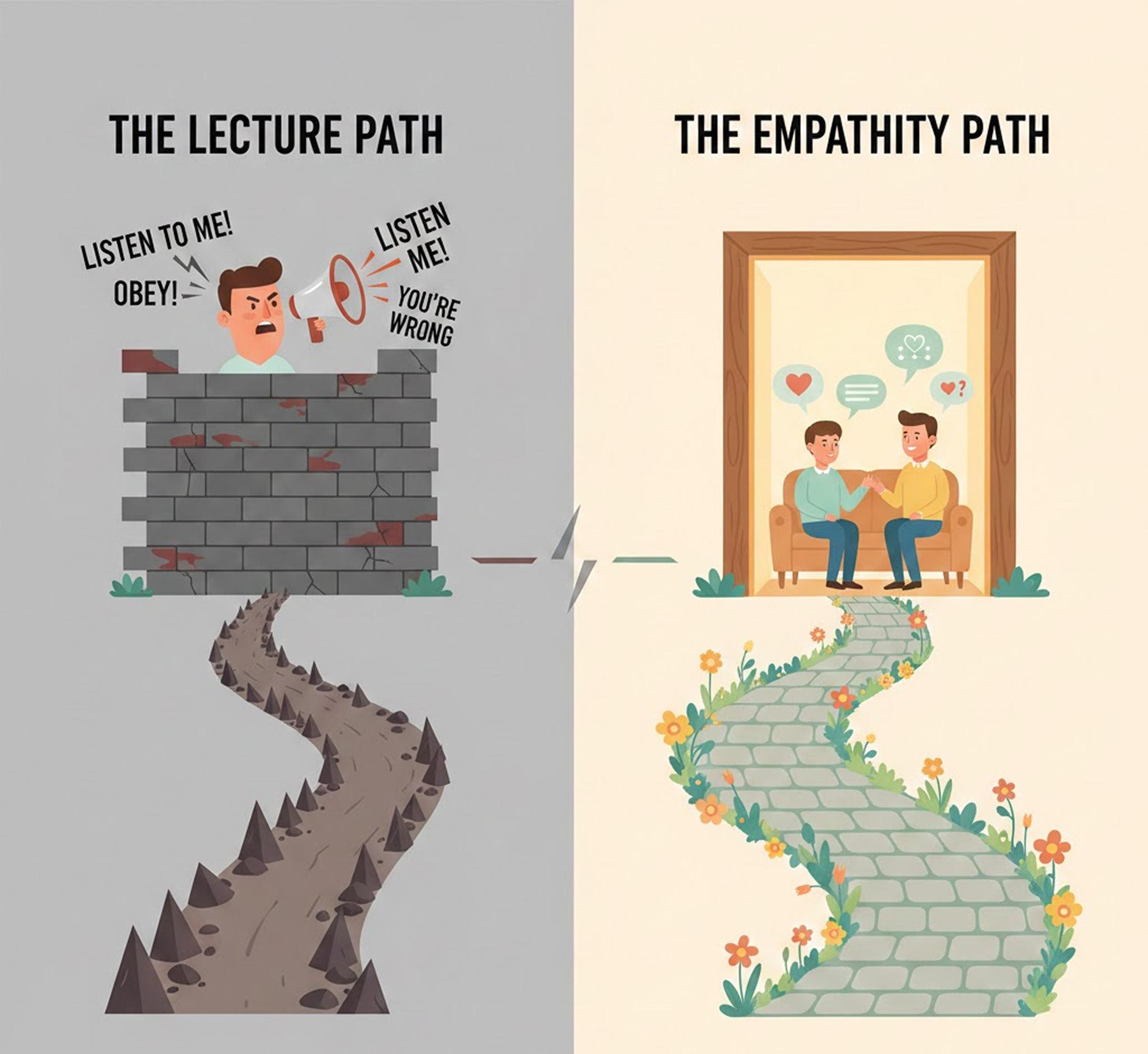
Effective communication is the cornerstone of all parenting tips for teenagers. Without a bridge of dialogue, even the best intentions can be perceived as preaching, leading to the shutdown response so common in Indian households.
Tip #1
Stop the Interrogation
Indian parents often lead with questions like "Did you study?" or "What did you eat?" Instead of these checklist questions, try sharing a highlight or a frustration from your own day first. Vulnerability invites vulnerability; it lowers their guard and makes you appear more human and less like a supervisor.
Tip #2
The 80/20 Rule of Listening
Aim to listen eighty percent of the time and speak only twenty percent. When your teen starts talking, resist the urge to interrupt with "In my day..." or "You should have done this." Active listening builds the emotional safety net necessary for effective indian parenting advice.
Tip #3
Use the Side-by-Side Strategy
Many Indian parents find that teens open up more when you are not making direct, intense eye contact, which can feel like an interrogation. Use the Car Ride Trick where conversations while driving to coaching classes or school feel less confrontational and allow the teen to speak more freely.
Tip #4
Validate the Feeling, Even If You Disagree with the Action
Even if their problem, like a missed social invite, seems trivial compared to your work stress, it is a crisis in their world. Acknowledging their feelings by saying "I can see why that would be upsetting" reduces many parenting challenges in India by preventing defensive arguments.
Tip #5
The Power of the Apology
If you lose your temper or jump to a wrong conclusion, apologize. In traditional Indian hierarchy, parents rarely apologize to children, but doing so models humility and teaches them that respect is a two-way street, not a one-way command.
II. Raising Confident Daughters: Navigating Safety and Ambition
Raising a daughter in India involves navigating a complex web of safety concerns while empowering her to break through cultural glass ceilings and societal stereotypes.
Tip #6
De-link Worth from Appearance
In a culture often obsessed with skin tone, fairness, and traditional beauty, make a conscious effort to praise her resilience, her sense of humor, and her intellectual curiosity. Helping her build an identity beyond her mirror reflection is one of the most powerful parenting tips for teenagers.
Tip #7
Support Non-Traditional Career Ambitions
Encourage her to look beyond safe or feminine roles. Whether she wants to pursue STEM, join the defense services, or start a tech business, your unwavering backing is her biggest shield against societal doubt.
Tip #8
Open, Scientific Dialogue on Menstruation
Ensure menstrual health is not treated as a dirty secret or a period of impurity. Treat it as a normal, healthy biological milestone. Including the men of the house in these discussions de-stigmatizes the process for everyone.
Tip #9
Financial Literacy as Empowerment
Do not just give her a pocket money allowance; teach her how to manage it. Encourage her to use banking apps, understand the basics of GST, and learn about the importance of investing early. Financial independence is a key part of parenting tips for Indian parents.
Tip #10
Digital Boundaries and Agency
Discuss online safety, cyber-bullying, and the permanence of digital footprints. Instead of banning social media, teach her how to navigate it with agency. Trusting her to handle her digital life, with occasional check-ins, reduces the parenting challenges in India related to secret accounts.

III. Raising Empathetic Sons: Breaking Traditional Stereotypes
The narrative around raising boys in India is shifting toward emotional intelligence, shared domestic responsibility, and deep-seated respect.
Tip #11
Break the Boys Don't Cry Culture
One of the major parenting challenges in India is the societal pressure on boys to be stoic. Allow your son to express sadness, fear, or insecurity without mocking his masculinity. Emotional literacy is a cornerstone of modern parenting tips for teenagers.
Tip #12
Mandatory Domestic Skills
Ensure he knows how to cook, clean, and do laundry. Breaking the cycle of domestic reliance on women is essential indian parenting advice. It prepares him to be a better partner and a more capable independent adult.
Tip #13
Explicit Education on Consent and Respect
Log kya kahenge often focuses on girls' behavior, but we must focus on boys' behavior. Teach him that "No" always means "No," and that respect for women starts with how he speaks to and about his mother, sisters, and female peers.
Tip #14
Manage the Provider Pressure
Many Indian boys feel an early burden to be the primary earner for the family. Reassure him that his worth is not tied solely to his future salary, his IIT/IIM status, or his job title. Support his mental health over his resume.
Tip #15
Healthy Physical Self-Care
Discuss body image and the pressure to look buff. Warn him about the dangers of quick-fix gym supplements or steroids, which are becoming a massive health concern among Indian male teens.
IV. Tackling the Big 5: Board Exams, Screen Time, and More
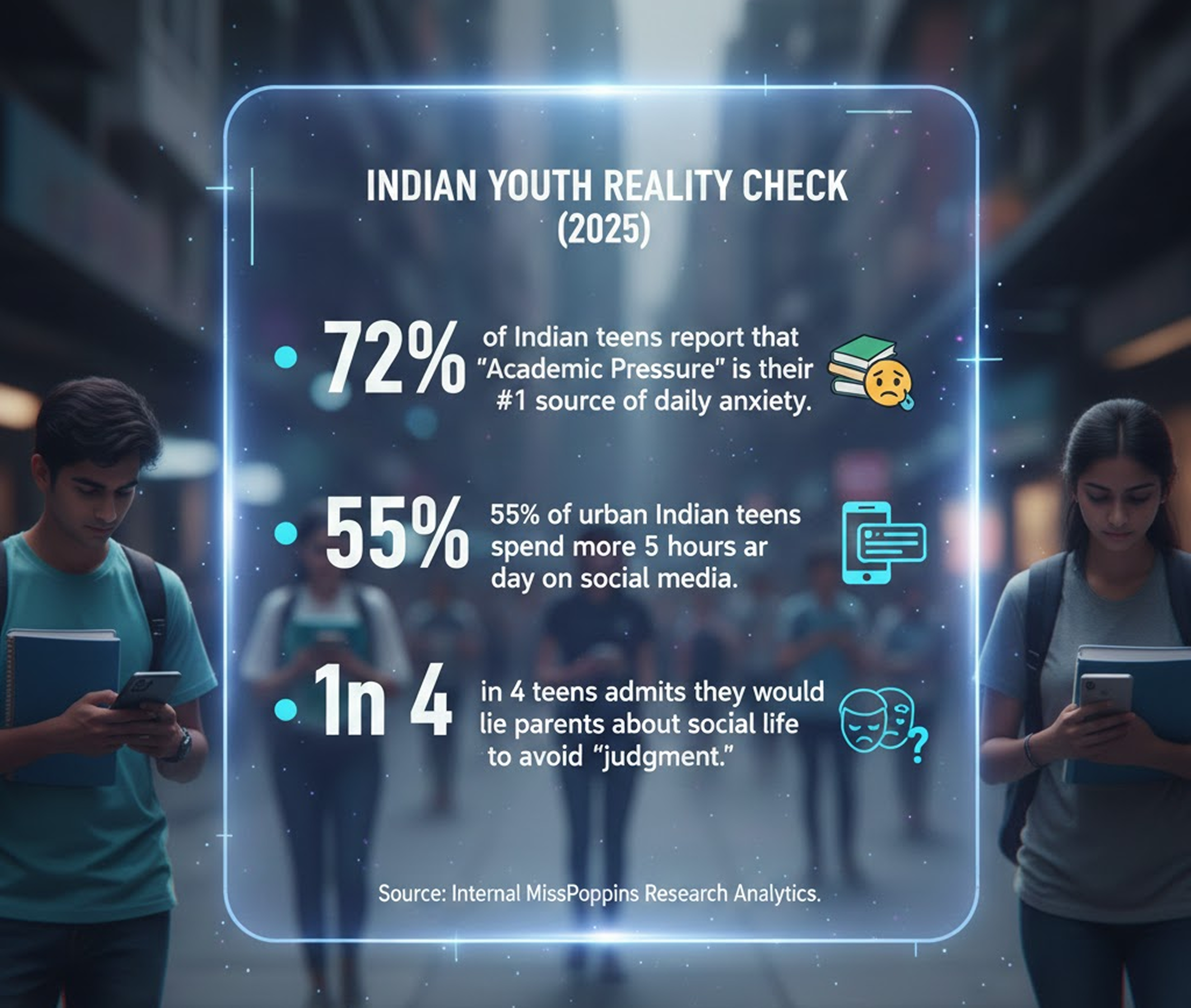
Every Indian household faces these specific, recurring parenting challenges in India. How you handle these can determine the quality of your relationship for years to come.
Tip #16
End the Comparison Culture
Sharma ji ka beta is not your child's benchmark. Every child has a different operating system. Focus on their personal progress and effort rather than their rank in the class. Comparison is the fastest way to kill a teen's self-esteem.
Tip #17
Set Collaborative Screen-Free Zones
Instead of a ban, create family rules that apply to everyone, including you. The dining table and bedrooms after ten PM should be tech-free zones. This is vital indian parenting advice to foster real-world connection.
Tip #18
Acknowledge the Weight of Academic Stress
Indian board exams are high-stakes environments. Instead of being a taskmaster who only checks marks, be a partner who ensures they are sleeping enough, eating well, and taking breaks. Your emotional support is more valuable than any tuition class.
Tip #19
Navigate Peer Pressure through Role-Play
Teens often know what is wrong like vaping or bunking but do not know how to say no without looking uncool. Role-play difficult social situations with them so they have the exact words ready when they need them.
Tip #20
Discuss Dating and Relationships Openly
Romantic attraction is a natural biological milestone. If you treat dating as a crime, they will simply do it in secret. Being a safe harbor for their questions, even if you have traditional values, is better than driving them into potentially unsafe secret relationships.
V. Boundaries and Responsibility: The Freedom Framework
Boundaries are not walls intended to keep them in; they are the safety railings that allow them to climb higher.
Tip #21
Negotiable vs Non-Negotiable Curfews
Instead of a rigid "Home by 7 PM," negotiate curfews based on the occasion and the level of trust they have earned. This teaches them the adult skill of negotiation and responsibility.
Tip #22
The Privacy is Earned Contract
Respect their room as their private space by knocking before entering. In return, they must maintain a level of transparency regarding their online world. This balance is a top-tier parenting tip for Indian parents.
Tip #23
Financial Responsibility via Allowances
Use a monthly allowance as a teaching tool. If they spend their entire hangout budget in the first week, do not bail them out. Let them experience the natural consequence of poor financial planning.
Tip #24
Assign Significant Family Roles
Give them a responsibility that the whole family actually relies on, such as managing the home Wi-Fi, organizing the weekly grocery list, or planning a weekend outing. This builds a sense of belonging and competence.
Tip #25
Lead by Example (The Mirror Rule)
If you are always on your phone while talking to them, you cannot expect them to put theirs down. Your behavior is the most powerful indian parenting advice you will ever give.
VI. Mental Health: Knowing When to Seek Professional Help
Sometimes, even the best parenting tips for teenagers are not enough to navigate deep emotional waters. Recognizing the Red Flags is a sign of proactive, loving care, not a failure of parenting tips for Indian parents.
Tip #26
Sudden, Prolonged Withdrawal
If your previously social teen becomes a hermit, stops seeing friends, or loses interest in hobbies they once loved, it is a sign to check in deeply.
Tip #27
Drastic Changes in Physical Habits
Significant alterations in sleep patterns such as insomnia or oversleeping and appetite like refusal to eat or bingeing are often the first physical signs of underlying anxiety or depression.
Tip #28
Obsessive Perfectionism or Fear of Failure
If your teen is terrified of getting a single bad mark or becomes obsessive about their image, it may be time for counseling to handle the intense parenting challenges in India regarding academic competition.
Tip #29
Self-Harm or Dark Humor
Never ignore joking comments about not wanting to exist or life being better without me. In the high-pressure Indian environment, these are cries for help that require immediate professional attention.
Tip #30
Trust Your Parental Gut
You know your child better than anyone. If your instinct tells you something is off, do not wait for a crisis. Seek professional indian parenting advice early.
Quick Reference Guide: 30 Tips at a Glance
| Category | Tips Numbers | Key Focus |
|---|---|---|
| Communication | 1-5 | Build dialogue through listening, vulnerability, and validation |
| Raising Daughters | 6-10 | Empower with confidence, education, and financial independence |
| Raising Sons | 11-15 | Foster emotional intelligence, respect, and domestic skills |
| Major Challenges | 16-20 | Navigate academics, peer pressure, and relationships |
| Boundaries | 21-25 | Create freedom within structure and responsibility |
| Mental Health | 26-30 | Recognize warning signs and seek professional support |
Conclusion: From Controller to Consultant
Navigating the teenage years is a marathon, not a sprint. By applying these parenting tips for teenagers, you move away from a relationship based on control to one based on connection. Remember that the parenting challenges in India, from the crushing weight of board exams to the log kya kahenge societal judgment, are best tackled as a team. Stay patient, stay curious, and keep the lines of communication open. Your teen needs you now more than ever, even if they spend most of their time pretending they do not.
The shift from being a controller to a consultant is not about giving up authority; it is about evolving your leadership style to match your child's developmental needs. As they grow into young adults, they need guidance more than commands, support more than surveillance, and trust more than restrictions.
These 30 parenting tips for Indian parents are not rigid rules but flexible frameworks that you can adapt to your family's unique dynamics. Every teenager is different, every family has its own rhythm, and the best indian parenting advice is the kind that honors both your cultural values and your child's individual personality.
For more deep dives into modern family dynamics, expert consultations, and local resources, explore our Parenting Tips for Kids section regularly at MissPoppins.in. Join our community of conscious parents committed to raising the next generation with wisdom, compassion, and cultural awareness.
Ready to Master Teen Parenting?
Download our exclusive E-book designed specifically for the modern Indian household. Learn how to bridge the generation gap with ease.
Download Free E-book →