
The Complete First-Year Parenting Guide for Indian Parents: Everything You Need to Know
TL;DR: Navigating your baby's first year can feel overwhelming, especially in the Indian context where family involvement and cultural traditions play significant roles. This comprehensive guide covers everything from postpartum recovery and feeding schedules to managing family expectations and building your support system. Whether you're a first-time mom recovering during the confinement period or a new dad learning to bond with your baby, we've got practical tips backed by expert insights. Download the MissPoppins app for personalized parenting support and grab our free ebook for detailed month-by-month guidance.

Introduction: Welcome to Parenthood
Congratulations on your new arrival! Becoming a parent is one of life's most transformative experiences, filled with joy, wonder, and yes plenty of challenges. The first year with your baby is a remarkable journey of discovery, not just for your little one, but for you as new parents as well.
In India, parenting comes with its own unique flavor. From the traditional 40-day confinement period to navigating well-meaning advice from extended family members, Indian parents face distinct challenges alongside universal ones. You'll find yourself balancing modern parenting practices with time-honored traditions, often while managing a household full of eager grandparents, aunts, and uncles, all wanting to help (or share their opinions).
This guide is designed specifically for Indian parents embarking on this incredible first year. We'll address both the universal aspects of early parenting and the specific cultural considerations that make your journey unique. Whether you're wondering about postpartum recovery practices, struggling with sleep schedules, or trying to politely decline your mother-in-law's fifth feeding suggestion of the day, we're here to help you navigate it all with confidence and grace.
Preparing for Your New Role
Mental and Physical Readiness
The transition to parenthood begins long before your baby arrives. Mental preparation is just as important as stocking up on diapers and onesies. Research shows that approximately 70% of new parents experience significant anxiety during the first three months, with sleep deprivation and uncertainty about baby care being primary concerns.
Key preparation strategies:
Educate yourself: Attend prenatal classes, read evidence-based parenting resources, and watch videos on basic baby care techniques like swaddling, burping, and diaper changing
Build realistic expectations: Understand that perfection isn't the goal good enough parenting is perfectly fine
Discuss parenting philosophies: Have open conversations with your partner about feeding choices, sleep training approaches, and how you'll handle disagreements
Prepare mentally for change: Your life will transform dramatically embrace flexibility and be kind to yourself during the adjustment
Physically, mothers should prepare for postpartum recovery by understanding what to expect. Create a comfortable recovery space at home with essentials within arm's reach. Fathers should prepare to take on increased household responsibilities and understand the physical toll childbirth takes on their partners.
Setting Up Your Home
Creating a safe, functional space for your newborn doesn't require elaborate nurseries or expensive equipment. Focus on essentials:
Must-have spaces:
A safe sleeping area (crib or bassinet with firm mattress, fitted sheet only no pillows, blankets, or toys)
Diaper changing station with all supplies organized and easily accessible
Feeding area with comfortable seating for long nursing or bottle-feeding sessions
Storage for baby clothes, organized by size for quick access during those inevitable middle-of-night outfit changes
Indian home considerations: Many Indian families practice co-sleeping or room-sharing, which can actually support breastfeeding and bonding. If you choose this approach, ensure you follow safe sleep guidelines: baby on their back, on a firm surface, with no loose bedding or pillows nearby.
Keep your home at a comfortable temperature (around 24-26°C), as newborns can't regulate their body temperature effectively. In Indian climates, this might mean using fans or air conditioning rather than bundling baby too warmly overheating is a greater risk than being slightly cool.
Managing Family Expectations
In Indian families, the arrival of a baby often means an influx of relatives eager to help, advise, and sometimes stay for extended periods. While this support can be invaluable, it can also create stress if boundaries aren't established early.
Practical boundary-setting strategies:
Communicate early: Before the baby arrives, discuss with your partner how you'll handle visitors and which traditions you want to honor
Be specific about help: Instead of general offers, request specific tasks like cooking, grocery shopping, or watching baby while you shower
Create visiting hours: It's okay to limit visiting times so you can rest and bond with your baby
Practice polite refusals: Prepare phrases for declining advice you don't wish to follow: "Thank you for sharing. We'll discuss it with our pediatrician" works wonders
Remember, according to a 2023 study on postpartum mental health in India, 22% of new mothers reported that family pressure and unsolicited advice contributed significantly to postpartum stress. Your mental health matters, and protecting it isn't selfish it's essential for your baby's wellbeing too
Essential Parenting Tips for New Moms
The postpartum period is intense, transformative, and often more challenging than expected. In Indian culture, the traditional confinement period (often called "sava mahina" or 40 days) provides structure and support, but it can also feel restrictive.
Postpartum Recovery in Indian Context
Your body has just accomplished something extraordinary, and recovery takes time. The traditional 40-day confinement period, when practiced mindfully, can support this recovery by encouraging rest and establishing breastfeeding.
Modern approach to traditional practices:
Rest is paramount: The tradition of restricted activity exists because your body genuinely needs recovery time. Accept this rather than fighting it
Nutritional wisdom: Traditional postpartum foods like ghee-rich preparations, ajwain (carom seeds), and methi (fenugreek) do have benefits for recovery and lactation, but don't force foods that make you uncomfortable
Gentle movement: While extended bed rest was traditional, modern evidence supports gentle movement after the first week to aid recovery and prevent complications
Oil massage: Traditional abhyanga (oil massage) can be relaxing and help with body aches, but ensure hygiene standards are met
Watch for warning signs requiring medical attention: fever, excessive bleeding, severe pain, or signs of postpartum depression beyond typical "baby blues." In India, postpartum depression affects approximately 10-15% of new mothers but often goes unrecognized due to stigma.
Breastfeeding with Family Support
Breastfeeding is natural, but it's also a learned skill for both mother and baby. In joint family settings, you may receive abundant (and sometimes conflicting) advice about feeding.
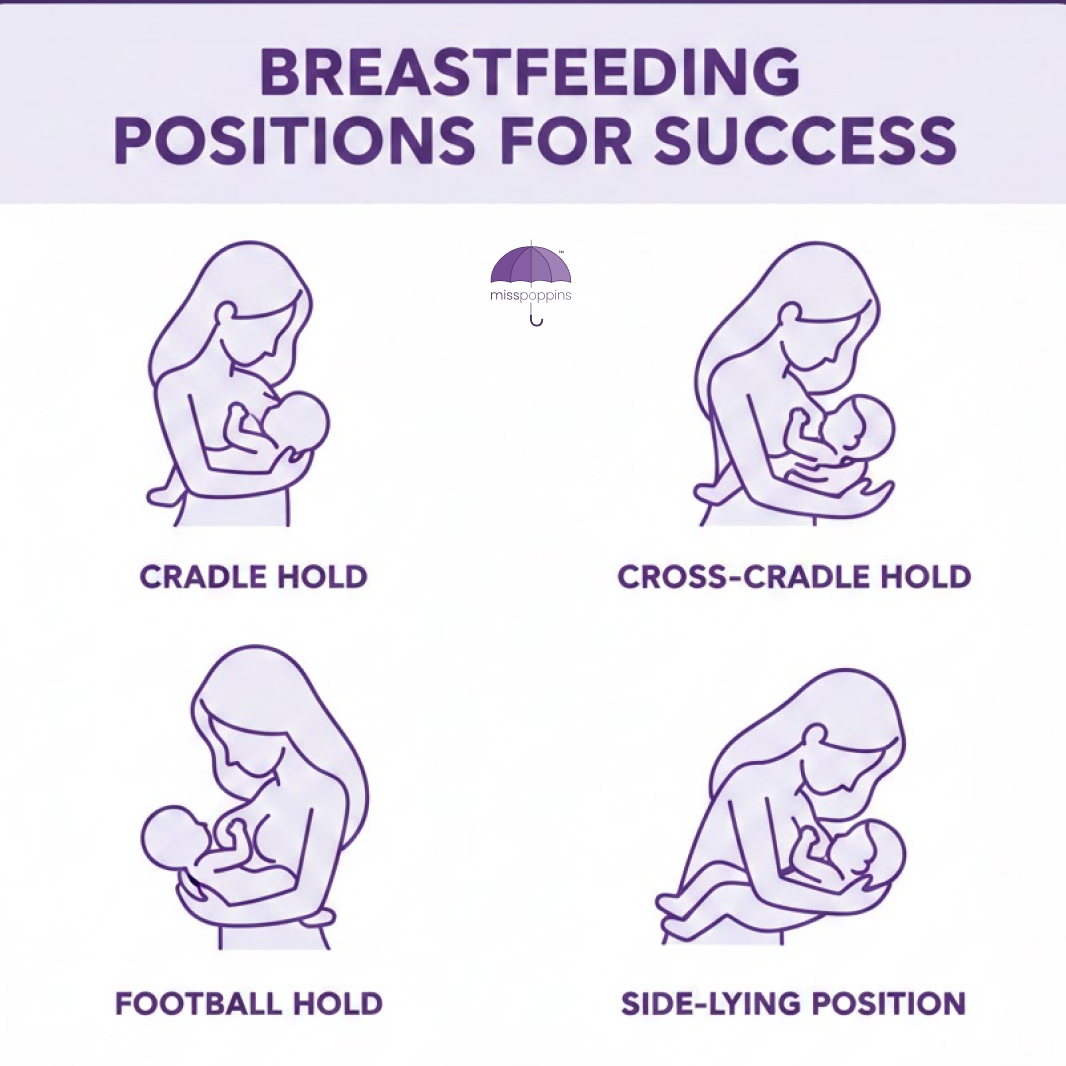
Evidence-based breastfeeding essentials:
Start early: Initiate breastfeeding within the first hour after birth when possible
Feed on demand: Newborns typically feed 8-12 times in 24 hours this is normal, not a sign of insufficient milk
Proper latch matters: A poor latch causes pain and inadequate milk transfer. Seek help from a lactation consultant if feeding hurts beyond the first few days
Your diet matters less than you think: While staying hydrated and eating nutritiously is important, you don't need to consume excessive ghee or specific foods to produce milk. Your body is designed to make milk even on an imperfect diet
Common feeding challenges and solutions:
"My family says baby isn't getting enough milk": Track wet diapers (6+ per day after day 5) and weight gain these are reliable indicators, not baby's crying or time between feeds
Engorgement: Common in the first week. Apply cold compresses, feed frequently, and hand express if needed
Cultural pressure for formula: If exclusive breastfeeding is your goal, prepare responses in advance: "Our pediatrician recommends exclusive breastfeeding for six months"
Self-Care During the Confinement Period
Self-care isn't selfish it's essential. Even within traditional restrictions, you can prioritize your wellbeing.
Practical self-care strategies:
Sleep when baby sleeps: This advice is clichéd because it's genuinely helpful. One 2-hour stretch of sleep matters
Accept help selectively: Let family help with cooking and cleaning, but don't feel obligated to entertain visitors when exhausted
Stay connected: Even during confinement, brief phone or video calls with friends can combat isolation
Basic hygiene matters: Despite traditional restrictions on bathing, maintaining basic hygiene with warm water baths (after initial recovery) prevents infection and improves mood
Mental health check-ins: If you're experiencing persistent sadness, anxiety, or intrusive thoughts, speak with your doctor immediately
Dealing with Unsolicited Advice
In Indian families, everyone has an opinion on baby care, from feeding schedules to the "evil eye." Managing this diplomatically while maintaining your boundaries is crucial.
Strategies that preserve relationships:
Acknowledge, then redirect: "Thank you for caring so much. We're following our pediatrician's advice on this"
Blame the doctor: "Dr. Sharma specifically said to do it this way"
Pick your battles: Honor harmless traditions (like kajal or amulets if you don't mind) while standing firm on safety issues (like sleep position)
United front: Ensure your partner supports your decisions publicly, even if you disagree privately
Parenting Tips for New Dads
Fatherhood in India is evolving. Modern Indian dads are more involved than previous generations, but you may face skepticism from older family members about your caregiving role.
Active Involvement from Day One
Research consistently shows that early paternal involvement benefits babies' cognitive and social development while strengthening the father-child bond and supporting maternal mental health.
Practical ways to be involved:
Diaper duty: Make this your domain. It's practical bonding time
Bath time: Once baby's umbilical cord falls off, bathing can become a special father-baby ritual
Night shifts: If partner is breastfeeding, you can handle diaper changes, burping, and settling baby back to sleep
Skin-to-skin contact: Not just for mothers dads benefit from holding baby against bare chest too
Bottle feeding pumped milk: If mother is pumping, take a feeding so she can rest

Supporting Your Partner
Your partner has undergone massive physical and hormonal changes. Your support can make the difference between her thriving or merely surviving the postpartum period.
How to provide meaningful support:
Anticipate needs: Bring water before she asks, prepare snacks, handle household tasks without being asked
Buffer family demands: Run interference with well-meaning but exhausting relatives
Validate feelings: If she's crying or frustrated, listen without trying to "fix" everything
Watch for postpartum depression: Be alert to signs beyond typical mood swings persistent sadness, withdrawal, or anxiety warrant professional help
Take on household management: Coordinate with household help, manage groceries, handle admin tasks
Learn baby care skills: Don't wait to be taught proactively research and practice
Bonding with Baby
Some fathers worry they can't bond as deeply since they're not breastfeeding. This is absolutely untrue.
Bonding activities:
Talk and sing: Your voice is important to baby's development. Narrate what you're doing, sing songs (even off-key)
Baby wearing: Use a carrier to keep baby close while keeping hands free
Massage: Gentle baby massage before bath time creates routine and connection
Eye contact: During feeding, changing, or play, maintain eye contact
Respond to cues: When you consistently respond to baby's needs, you build trust and attachment
According to child development research, babies with actively involved fathers show better emotional regulation and social skills in later childhood. Your involvement now pays lifelong dividends.
First Month Essentials
The first month is about survival, not perfection. Understanding what's normal can reduce anxiety significantly.
Feeding Schedules
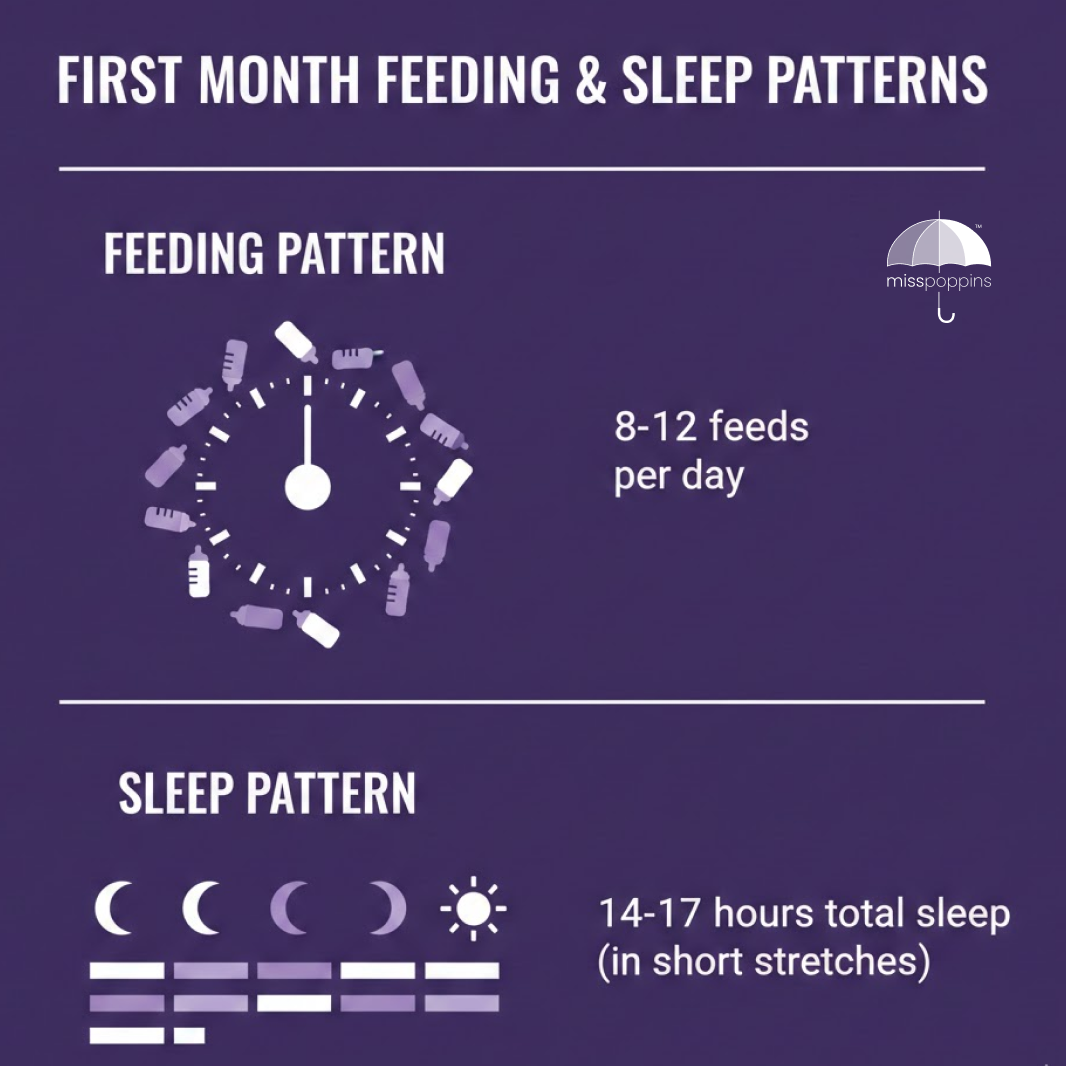
Newborns don't follow schedules they feed on demand, and demand can be constant.
What to expect:
Frequency: 8-12 feeds per 24 hours is typical for breastfed babies
Duration: 20-45 minutes per feeding session initially
Cluster feeding: Periods of frequent feeding (often evenings) are normal, not a sign of insufficient milk
Growth spurts: Expect increased feeding around days 7-10, 3 weeks, and 6 weeks
Feeding tracking: In the first few weeks, tracking feeds, wet diapers, and dirty diapers helps ensure baby is getting adequate nutrition. The MissPoppins app includes easy tracking features to monitor patterns without maintaining manual records.
Sleep Patterns
Newborn sleep is notoriously unpredictable. Setting realistic expectations prevents frustration.
Normal newborn sleep:
Total sleep: 14-17 hours per 24 hours, but in 2-4 hour stretches
Day/night confusion: Common in first weeks baby may be more alert at night
Sleep cycles: Shorter than adults (45-60 minutes vs. 90 minutes)
No sleep training: Babies under 4 months aren't developmentally ready for sleep training methods
Safe sleep reminders:
Back to sleep, every sleep
Firm sleep surface with fitted sheet only
Room-sharing without bed-sharing (if possible)
No loose bedding, pillows, or toys in sleep space
Avoid overheating
Data from Indian pediatric studies shows that approximately 65% of Indian families practice some form of co-sleeping. If this is your choice, follow safe co-sleeping guidelines and discuss with your pediatrician.
Doctor Visits and Vaccinations
Regular checkups are crucial in the first year for monitoring growth and administering vaccines.
First-month medical milestones:
First visit: Within 3-5 days after hospital discharge
2-week checkup: Weight check and general health assessment
1-month visit: Complete physical exam, developmental assessment, and vaccinations per Indian Academy of Pediatrics (IAP) schedule
Key vaccinations in first month:
BCG (at birth)
Hepatitis B (birth dose, then at 6 weeks)
OPV (Oral Polio Vaccine at birth)
Keep a vaccination record accessible you'll need it for school admissions years later. The MissPoppins app includes vaccination tracking features aligned with IAP guidelines.
Recognizing Hunger Cues
Crying is a late hunger cue. Learning early cues allows you to feed baby before they become distressed.
Early hunger cues:
Lip smacking or tongue movements
Rooting (turning head and opening mouth)
Bringing hands to mouth
Increased alertness and activity
Active hunger cues:
Fussing and squirming
Faster breathing
Crying (late cue)
Responding to early cues makes feeding easier and less stressful for everyone.
Building Your Support System
No one can parent alone effectively. Building support is a sign of strength, not weakness.
When to Ask for Help
Indian culture often provides built-in support through joint families, but knowing when and what to ask for makes help more effective.
Ask for help when:
You're feeling overwhelmed, anxious, or depressed beyond typical adjustment
You need sleep desperately (not just want need)
You're physically unwell or healing complications arise
Your relationship with your partner is suffering
You need to attend to older children's needs
Household tasks are piling up dangerously
What to ask for: Be specific rather than accepting vague offers of help. Request:
"Can you prepare dinner three times this week?"
"Could you watch baby for two hours on Saturday so I can rest?"
"Would you handle laundry for the next month?"
Specific requests get better results than hoping people intuitively know what you need.
Managing Visitors (Indian Family Context)
Indian families love celebrating new babies with visits, gifts, and blessings. This attention can be overwhelming when you're exhausted and healing.
Boundary-setting strategies:
Establish visiting hours: "We welcome visitors between 4-6 PM on weekends for the first month"
Limit visit duration: Have your partner indicate when visits should wrap up
Request advance notice: "Please WhatsApp before coming so we can prepare"
Create baby-free zones: Designate your bedroom as private space
Postpone large gatherings: It's okay to delay naming ceremonies or celebrations until you feel ready
Dealing with visitors who overstay:
"Baby needs to feed now, and I need privacy. Thank you so much for coming"
"Doctor's orders are that we rest now. Let's plan your next visit for next week"
Have your partner handle enforcement they can be "bad cop" to preserve your relationships
Online Parenting Communities
While in-person support is valuable, online communities offer 24/7 connection with parents experiencing similar challenges.
Benefits of online support:
Access to information and experiences outside your immediate circle
Judgment-free space to ask questions (hopefully)
Connection during lonely 3 AM feeding sessions
Diverse perspectives on parenting approaches
Finding quality communities: The MissPoppins app includes curated parenting community features connecting Indian parents nationwide. Additionally, look for:
Evidence-based parenting groups (not fear-mongering ones)
Local Indian parenting groups for city-specific resources
Moderated forums that enforce respectful interaction
Support groups for specific challenges (breastfeeding, postpartum depression, etc.)
Red flags in parenting communities:
Medical advice replacing professional consultation
Shaming different parenting choices
Product pushing or MLM schemes
Fear-mongering about vaccines or basic medical care
Common First-Time Parent Mistakes to Avoid
Learning from others' experiences can help you sidestep common pitfalls. Here are mistakes almost every first-time parent makes and how to avoid them.
1. Comparing your baby to others Every baby develops at their own pace. Your neighbor's baby sleeping through the night at 6 weeks doesn't mean yours should. Comparison steals joy and creates unnecessary anxiety. Focus on your baby's individual progress.
2. Ignoring your own needs The airplane oxygen mask principle applies: you can't care for baby if you're depleted. Eating properly, sleeping when possible, and addressing your mental health aren't luxuries they're necessities.
3. Buying everything marketed to new parents The baby product industry thrives on new parent anxiety. You need far less than you think. Essentials include safe sleep space, feeding equipment, diapers, and basic clothing. Most other items are optional conveniences, not necessities.
4. Not trusting your instincts You know your baby better than anyone else. If something feels wrong despite reassurances, pursue medical attention. Equally, if your instinct says baby is fine despite others' concerns, that's valid too (barring obvious danger signs).
5. Trying to maintain pre-baby standards Your home won't be perfectly clean. You won't cook elaborate meals. You might wear the same clothes three days running. This is temporary, normal, and okay. Lower standards aren't failure they're adaptation.
6. Not asking your partner for specific help Mind-reading isn't real. Tell your partner exactly what you need: "Please change baby's diaper now," not "It would be nice if someone helped around here."
7. Refusing formula when struggling Fed is best. If breastfeeding isn't working despite proper support and you're miserable, formula is a valid, nutritious choice. Your mental health matters, and baby needs a healthy parent more than exclusive breastfeeding.
8. Isolating yourself New parents often withdraw, thinking they're too busy or exhausted for social connection. Brief social contact even a 15-minute phone call significantly improves mood and perspective.
9. Taking all advice equally Advice from your mother, neighbor, and WhatsApp forward aren't equal to pediatrician guidance. Prioritize evidence-based medical advice over anecdotal traditions.
10. Forgetting this phase is temporary When you're in survival mode at 4 AM with a crying baby, it feels eternal. It isn't. Babies change rapidly. The exhausting newborn phase gives way to new challenges and new joys. Nothing about early parenting is permanent.
Conclusion: Embracing Your Parenting Journey
The first year of parenting is intense, exhausting, and absolutely transformative. You'll experience emotions you didn't know existed, worry about things you never imagined, and discover reserves of strength and love you didn't know you possessed.
In the Indian context, you're navigating not just universal parenting challenges but also cultural expectations, family dynamics, and the balance between modern evidence-based practices and time-honored traditions. This can feel overwhelming, but it also means you have rich cultural wisdom and potentially abundant family support to draw upon.
Key takeaways for your first year:
Remember that good enough parenting is perfectly sufficient. Your baby doesn't need perfection they need consistency, love, and responsiveness to their needs. They need parents who care for themselves so they can care effectively for their child.
Trust yourself. You're learning, and learning involves mistakes. Every parent makes them. What matters is that you respond with love, seek help when needed, and keep trying. Your instincts about your baby are valuable don't dismiss them in favor of others' opinions.
Build your support network intentionally. Accept help graciously, ask for what you need specifically, and connect with other parents navigating similar challenges. Parenting isolation is real and harmful combat it proactively.
Prioritize the parent relationship. Your partnership is the foundation of your family. Make time for brief check-ins, express appreciation for each other, and remember you're teammates, not adversaries. Most relationship strain in the first year comes from exhaustion and miscommunication, both of which are manageable with intention.
Finally, remember that this intense phase is temporary. You won't always be this tired. Baby won't always wake this frequently. The challenges evolve, but so does your competence and confidence. One year from now, you'll barely recognize the worried new parent you are today you'll be so much more skilled, confident, and relaxed.
You're not just surviving these early months you're building the foundation for your child's entire life. Every diaper change, every midnight feeding, every moment of comfort you provide is creating secure attachment and trust. This work matters profoundly, even when it doesn't feel significant in the moment.
Be patient with yourself, celebrate small victories, and don't hesitate to seek help when needed. You're doing better than you think.
Ready for More Support?
Download the MissPoppins App
Get personalized parenting guidance, track feeding and sleep patterns, manage vaccination schedules, and connect with India's most supportive parenting community. Available on iOS and Android.

Free Resource: Complete First-Year Month-by-Month Guide
Download our comprehensive ebook covering detailed guidance for each month of your baby's first year, including developmental milestones, age-appropriate activities, and troubleshooting common challenges specific to Indian parents.